
Fairfield Neighbors by Block Source
A Fairfield neighbors lookup has to define “neighbor” as the parcel, block, or community layer being studied. Solano GIS can show surrounding parcels and APNs. The assessor can show a public owner or tax mailing destination. The recorder can trace legal ownership. A reverse directory can show an occupant at a publication date. Community sources can publish an officer or meeting contact without publishing every household.
| Source | What it shows about a block | Access |
|---|---|---|
| Solano GIS | Adjacent parcels, APNs, roads, jurisdiction and available district layers | Free map; click and compare |
| Assessor roll | Public owner field, situs, tax mailing destination, value and use | APN or address search; suppressions possible |
| Recorder index | Deed parties, transfers, liens, dates and legal descriptions | Free metadata; office copies and images |
| Voter information | Only the voter’s self-status or an approved statutory release | Not a casual block browse |
| Community and school sources | Public contacts, organizations, yearbooks, and historical affiliations | Published or collection-specific |
| Reverse directories | Dated address or telephone clues for past households | Library or historical collection |
Owners are not automatically occupants. A mailing address can be different from the situs, and a parcel can contain more than one address. A neighbors lookup should say “owner of record,” “tax mailing recipient,” “directory entry,” or “public contact” instead of flattening every label into a household claim.
For a block-level neighbors study, preserve the map date and the exact source label beside every conclusion.
Click Fairfield Neighbor Parcels Around an Address
Solano GIS gives a block lookup its physical shape. Search or zoom to the starting address, click the parcel, write down the APN, and then click adjacent polygons one by one. Walk the same side of the road first, then the opposite side. Check corner lots and parcels whose situs fronts another street. Turn on available parcel, municipal, zoning, flood, supervisor or council, school, and fire-district layers only when they answer a defined question.
The researched GIS manual describes fuzzy APN tolerance, partial book and page searches, a parcel pop-up, arrows for multiple addresses on one parcel, and a Find By Value street-name mode. It also warns that not every city street or road without addresses is guaranteed. Map labels are not legal surveys. Save the map date and layer name beside each APN.
Use the assessor after the map. It can tie a public owner field and mailing destination to the parcel, but it does not list every household member. Use the recorder when the question is the legal chain. Use permits when the question is physical change.
Fairfield Neighbor Service Districts Are Not HOA Rosters
Fairfield administers 18 Landscaping and Lighting Maintenance Districts, including Gateway, Waterman Highlands, Smith Ranch/Rancho Solano, Peppertree, Rolling Hills, Kolob Estates, Southbrook, Paradise Valley North, Downtown Business District, Green Valley, Woodlake, Gold Ridge, Creekside at Cordelia, Chadbourne–Beck–Cordelia, Gold Ridge Park, Corporate Commons, 2023-1 Gateway, and 2023-11 Paradise Valley. These are public assessment and service geographies.
The city’s official map directs users to search by address or street name. A district boundary is not a voluntary neighborhood association and does not create a member directory. The supplied research did not locate an authoritative umbrella HOA or neighborhood roster. Use published association officers, meeting contacts, or public civic pages when available, and do not infer membership from a parcel.
| Public community layer | Useful block clue | What it cannot show |
|---|---|---|
| LLMD map | Service or assessment geography | Voluntary members or occupants |
| School directory | School name, administrator, address, status and update data | Student home addresses |
| Chamber or civic page | Member business or public representative | Every proprietor’s residence |
| Historical society | Articles, photos, publications and yearbooks | Current private roster |
Map a Fairfield Neighbor Block From APNs
A block lookup works outward from one known address. The map supplies geometry, the assessor supplies parcel facts, and the recorder supplies a legal ownership trail. Do not begin with a list of names because names can be absent, duplicated, or connected to a different parcel.
- Locate the starting address in Solano GIS and record the parcel APN, situs, and jurisdiction.
- Click each surrounding polygon, including corner lots and parcels with an address on another road.
- Check the assessor for public owner, mailing destination, use, and values. Treat mailing and situs as separate fields.
- Use the recorder to test a legal description or deed chain when ownership history matters.
- For the complete named-street chain, switch to the Fairfield street directory rather than expanding the block method into a whole-road list.
The flow is simple: address → parcel → APN → public owner or mailing clue → adjacent APNs → dated supporting records. The flow does not produce a roster of every person nearby. It produces a map of records that can be checked without assuming occupancy.
Fairfield Voter Rules Protect Neighbor Blocks
My Voter Status is an authenticated self-lookup. It asks for the voter’s first and last name, full date of birth, and a California driver license or ID number or the last four Social Security digits, with declarations when those identifiers are unavailable. It can show the voter’s own status, party preference, polling place, election details, and ballot status after the registration system updates.
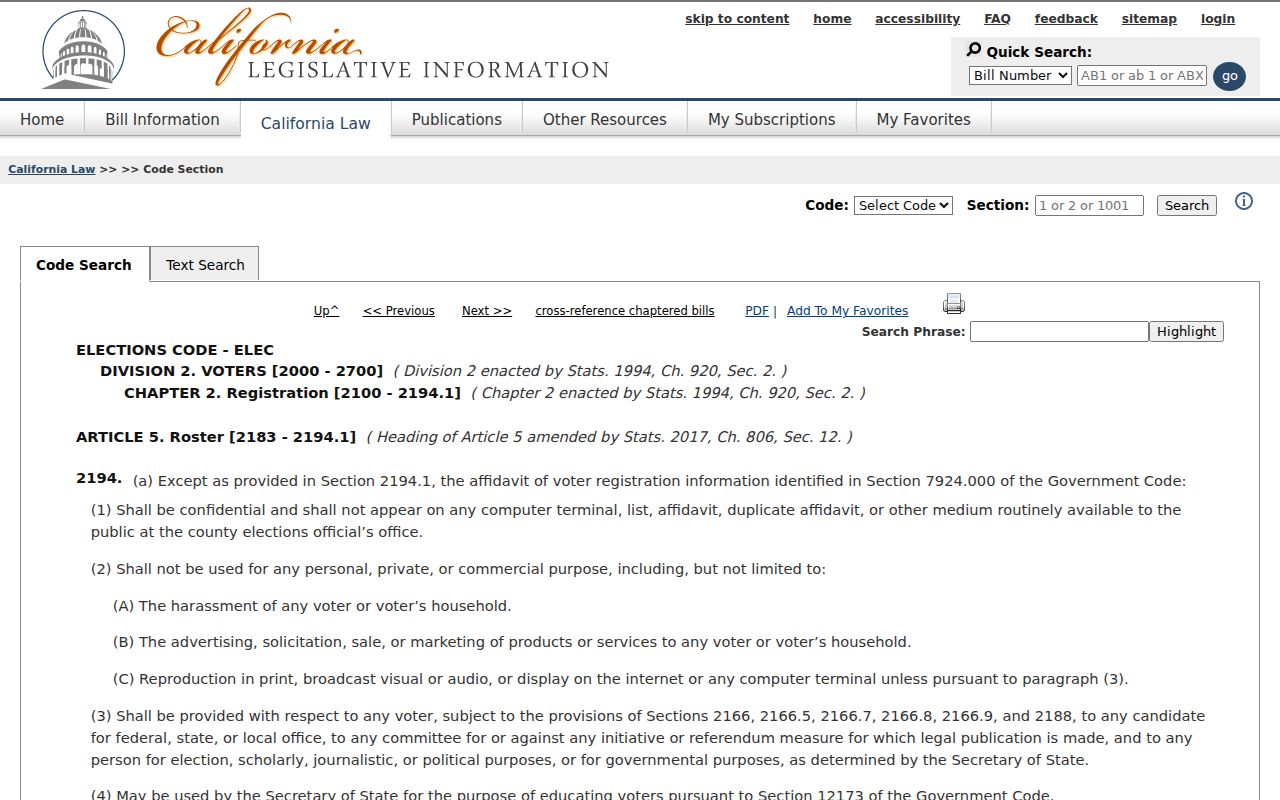
A full voter file is different. Elections Code §2194 and 2 CCR §§19001–19012 permit release for approved election, scholarly, journalistic, political, or governmental purposes. Personal block curiosity is not a permitted directory use. Home address, telephone, email, signature, registration identifiers, license data, and protected-voter information are restricted. Elections Code §18109 makes unauthorized use a misdemeanor.
The California Elections Code text is the source for the permitted-use boundary.
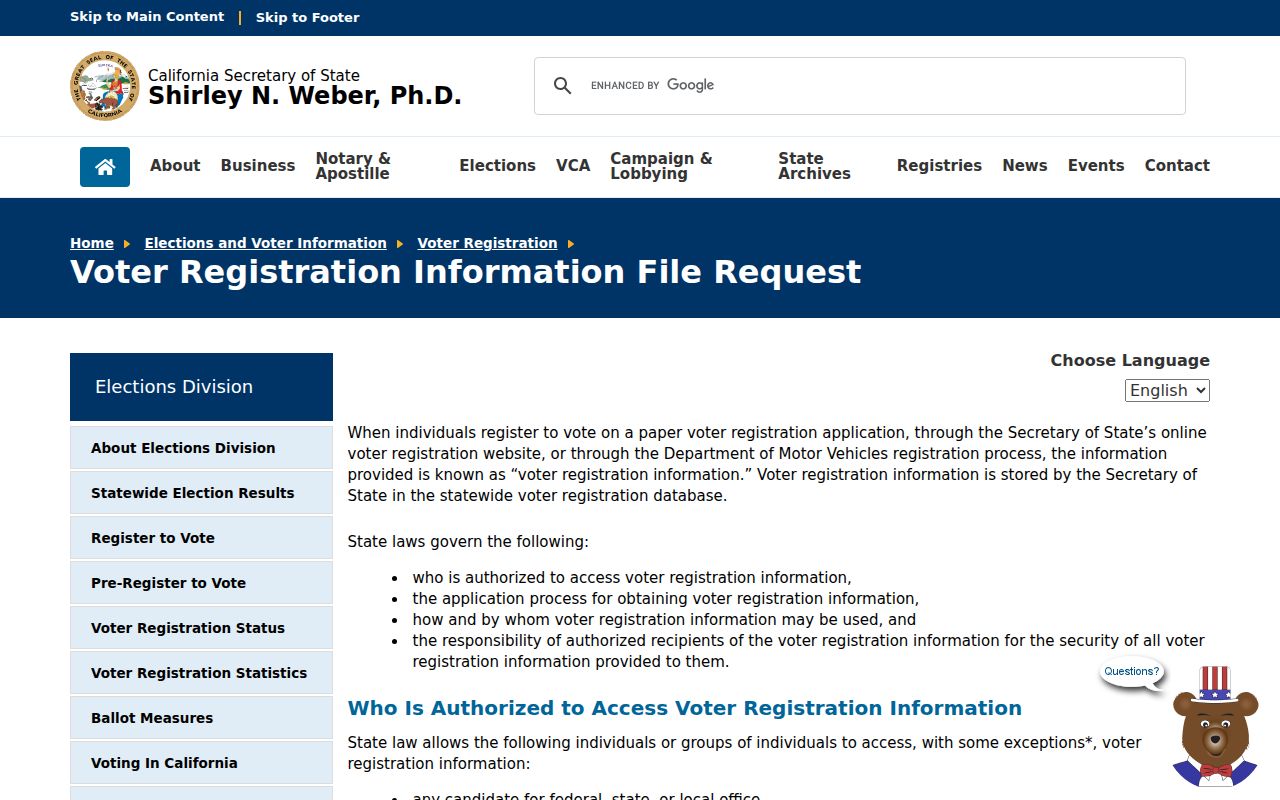
The Solano Registrar of Voters can provide the current application, permitted fields, geography options, and fee estimate for a lawful request. A Fairfield neighbors lookup must not use voter rules as a way around privacy.
The Secretary of State voter-file request page explains the application route for an approved purpose.
Fairfield Community Records Show Affiliations
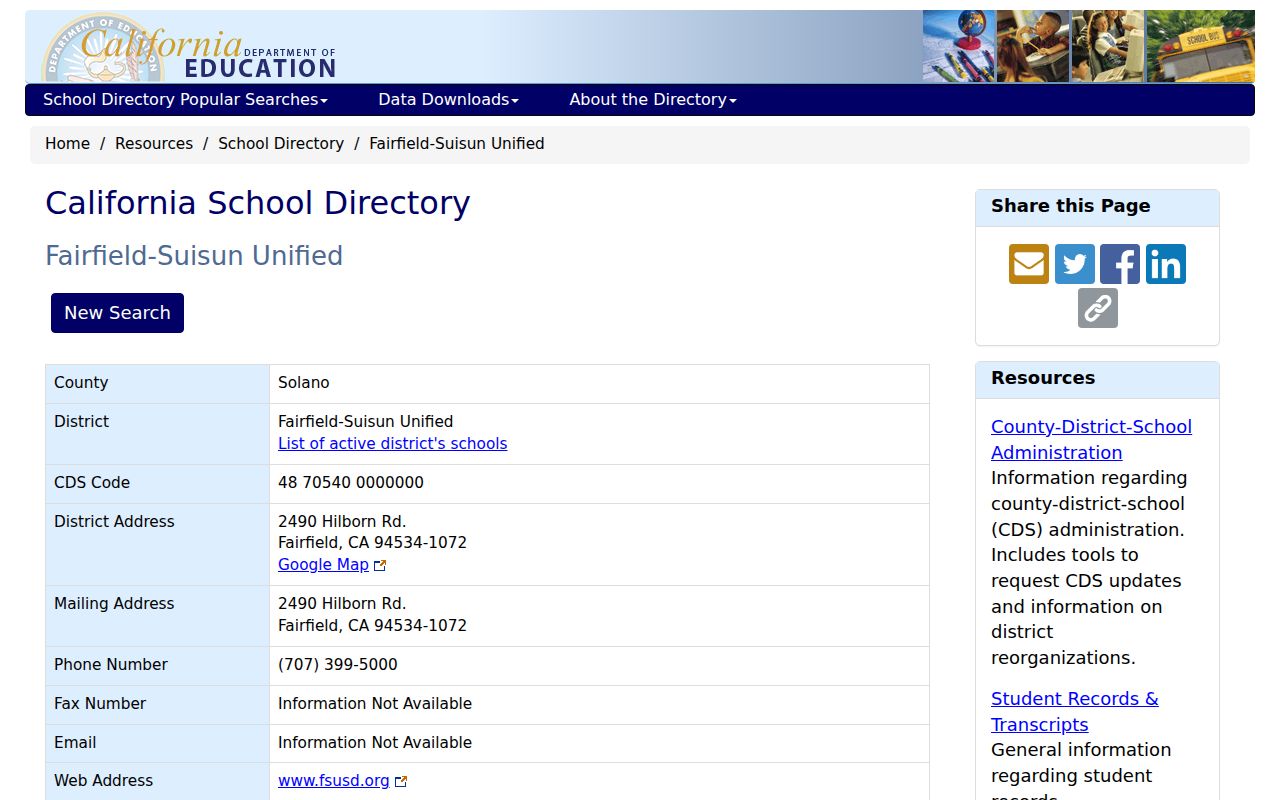
Public community records can add a human layer without becoming a resident roster. The Fairfield-Suisun Unified School District entry in the California Department of Education directory supplies school names, administrators, addresses, type, status, and update dates. Yearbooks and school publications can help with historical classmates. They do not disclose student home addresses.
The California school directory entry provides the public institutional details used here.
Travis AFB heritage sources, local newspapers, churches, veterans’ groups, the chamber, cemetery databases, and historical society collections can support a dated community or family-history question. Current military rosters and private association membership lists should not be expected. Ask only for a public officer, meeting contact, or published collection route.
Fairfield Safe at Home Can Hide a Neighbor
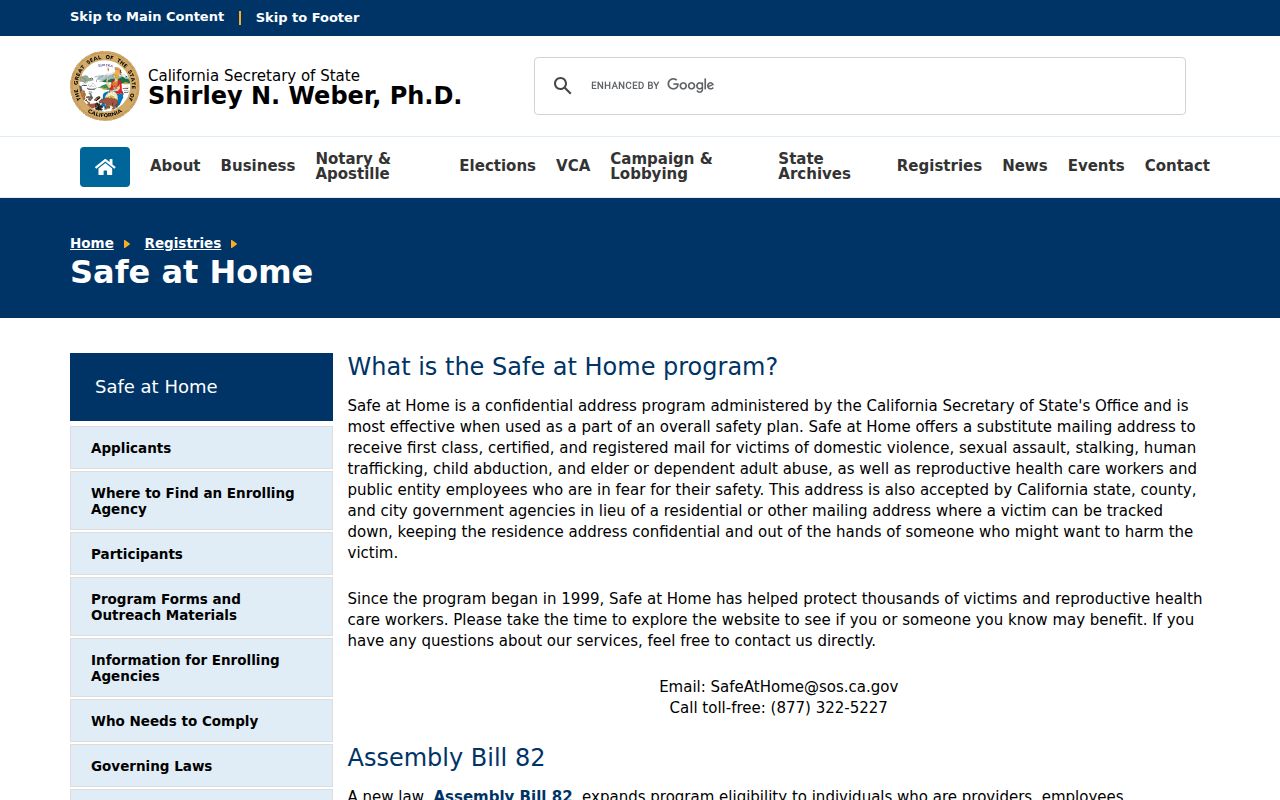
California’s Safe at Home program provides an alternate mailing address, mail forwarding, and confidential voter registration for eligible survivors and threatened participants. The program was updated effective April 1, 2025. It is a safety tool, not an address-erasure promise. A neighbor may be intentionally absent from ordinary public address clues.
The Safe at Home program page explains the protection and enrollment route.
Do not reverse a substitute address through deeds, voter clues, school material, or map inference. Public real-property legal descriptions can still reveal a location in some circumstances, but that is not permission to reconstruct a protected person’s home. Respect the program and stop the lookup.
Fairfield Rolls Versus Neighbor Tools
A Fairfield neighbors search can use official records or commercial compilation tools, but their strengths are not the same. Compare the source purpose before trusting a result.
| Source type | Strength | Limit |
|---|---|---|
| Official parcel or deed record | Named custodian, APN or legal description, correction route | Owner or party does not equal every occupant |
| Official court, school, or license record | Defined public role, date, or affiliation | Coverage and eligibility vary |
| Historical directory | Dated household or address clue | May omit people and years; not current |
| Commercial compilation | May gather many public and purchased clues | Can merge names, lag corrections, charge fees, and lacks source authority |
Use an official source for the fact it directly records, and use a second source when identity matters. A compilation cannot override a custodian or authorize a restricted search.
Privacy Limits on Fairfield Neighbors
Renter names, household members, children, utility customers, delivery data, DMV addresses, and private association rosters are not ordinary public block fields. An assessor record may omit an owner online. A deed may identify a trust or estate. A reverse directory may cover one year. A voter file may exclude unregistered people and protected voters. These gaps are part of the record design.
California residents can use CCPA and CPRA rights, including the state’s DROP process for eligible broker-held information, but deletion from a data broker is not deletion from Solano government records. The federal DPPA, Safe at Home, voter statutes, and local record exemptions each impose separate limits. If the goal shifts from a block map to one person, the Fairfield resident lookup page supplies the identity and source distinctions.
Lawful use. Fairfield neighbors research is for understanding a block, reconnecting, family history, and personal safety awareness. Do not use a map, owner clue, or public contact to watch, stalk, harass, intimidate, or harm anyone.
A careful block result names parcels and public records, not a supposed complete list of people. Stop when the next step would evade a confidentiality rule.