
Fairfield’s Historical Directory Shelf
Fairfield's historical directory holdings are scattered. No single shelf holds them. The Solano County Genealogical Society catalogs early Solano and Fairfield-Suisun material, while UC Davis supplies the rare digitized Kingsbury volume that most researchers can read from home. Solano County Library fills the gaps. Its local-history offerings include microfilm equipment, newspapers, obituaries, yearbooks, and licensed genealogy databases under library access rules.
| Collection | Years or run | Where held | Access and value |
|---|---|---|---|
| Solano and Napa Counties Directory | 1871–72 | Solano County Genealogical Society Research Library | On-site or lookup request; early resident and business context |
| Solano section directory | 1874 | Solano County Genealogical Society | Exact title and publisher pending catalog inspection |
| McKenney’s District Directory | 1878–79 | Solano County Genealogical Society | County and district names |
| McKenney’s Eight County Directory | 1884–85 | Solano County Genealogical Society | Regional volume including Solano |
| Kingsbury’s Directory | 1904–05 | UC Davis digital collections | Remote scan; name, occupation, and county post-office address clues |
| Fairfield-Suisun directories and phone books | Exact runs not publicly enumerated | SCGS and Solano libraries | Ask staff; later address and reverse evidence may be available |
These runs are not guaranteed annual issues. A gap may hide a missing volume, a title change, or a collection that was never cataloged online. Never guess a first or last year. The Society's research library sits on the second floor of Old Town Hall, 610 E. Main Street in Vacaville, with more than 5,000 cataloged items and seasonal hours. That caution keeps a household timeline honest.
Ask Fairfield City Directory Collections at the Library
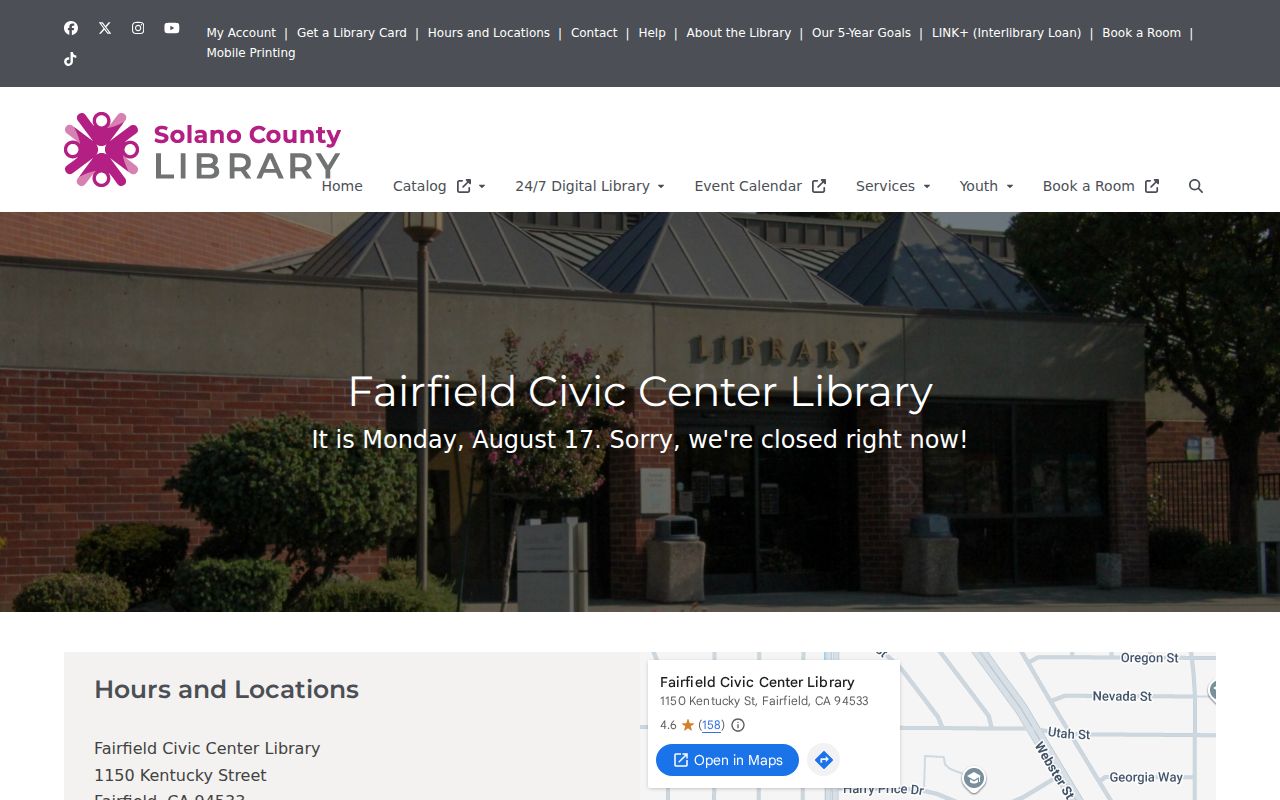
Fairfield Civic Center Library, at 1150 Kentucky Street, carries the tools a printed directory demands. Readers, computers, and scanners sit on site. Scans to USB are free. Copies cost $0.20 in black and white. Color runs $0.50. Reference staff can help with local newspapers, yearbooks, obituaries, telephone books, city or county directories, census databases, and local-history vertical files. Some licensed genealogy databases require a library card, and certain vendor products work in-library only.
The obituary and newspaper request service is a separate fallback. It needs an exact event date. Staff search that date through the following two weeks. The search and emailed PDF delivery are free, while mailed photocopies cost $0.20 per page and may take three weeks. Give the name, event, city or location, exact date, and any helpful details so staff can separate similar notices.
The Fairfield Civic Center Library location page confirms the equipment and access route.
Do not trust the open shelf alone. Ask staff. Staff can confirm the title, publisher, year, and whether a lookup request is possible, which preserves the collection's real coverage instead of filling a gap with a guessed annual run.
Kingsbury Brings a Fairfield City Directory Online
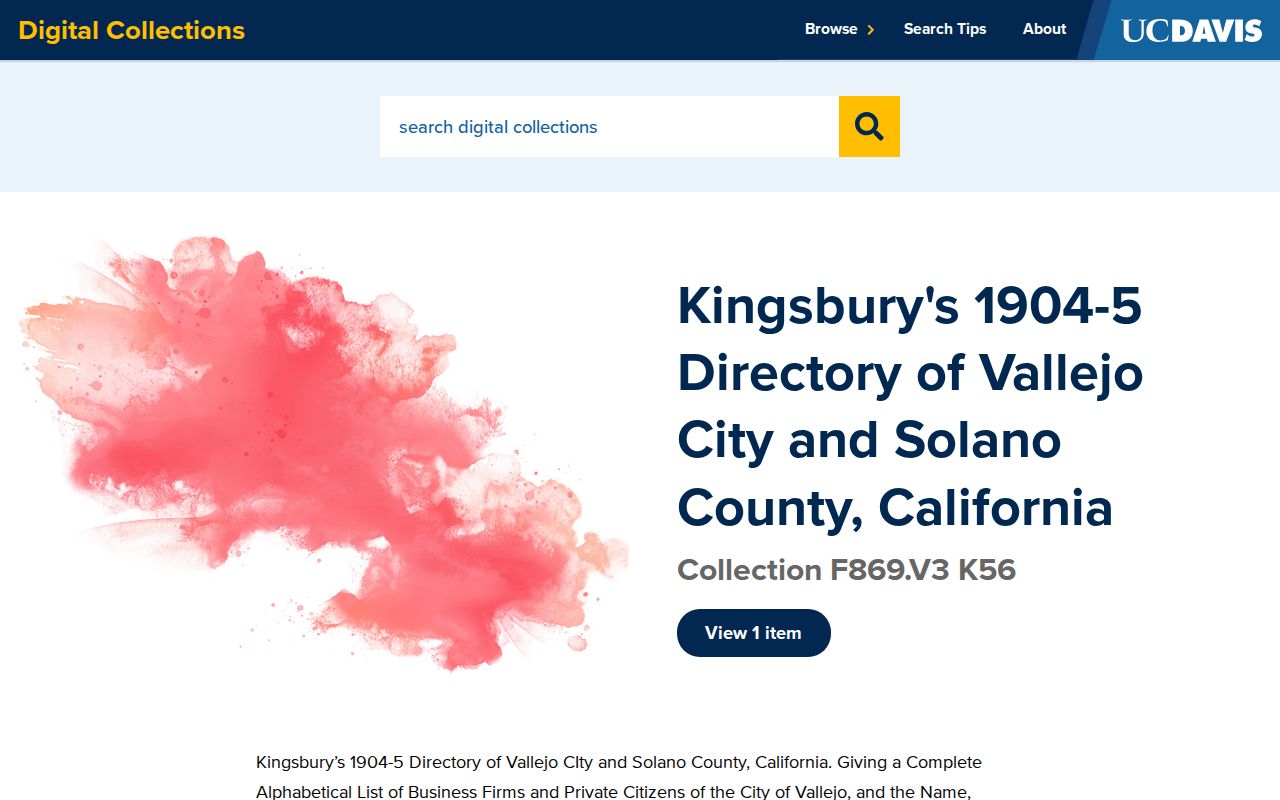
UC Davis Digital Collections hosts the digitized Kingsbury's 1904–5 Directory of Vallejo City and Solano County, California. The scan runs 218 pages. Advertising, endpapers, and two color inserts survive in it. Remote access arrived in February 2026. The announcement turned a rare physical people source into a usable online collection for Fairfield research.
The county section is not a modern address directory. For adults outside Vallejo, the printed fields are name, occupation, and post-office address. Keep the spelling and occupation exactly as printed. A post-office address may point to a community or mailing connection without giving a numbered residence. Pair the entry with the 1900 or 1910 federal census, a newspaper, a deed, or a later Fairfield-Suisun volume.
The UC Davis digitization announcement records the access milestone behind the scanned book.
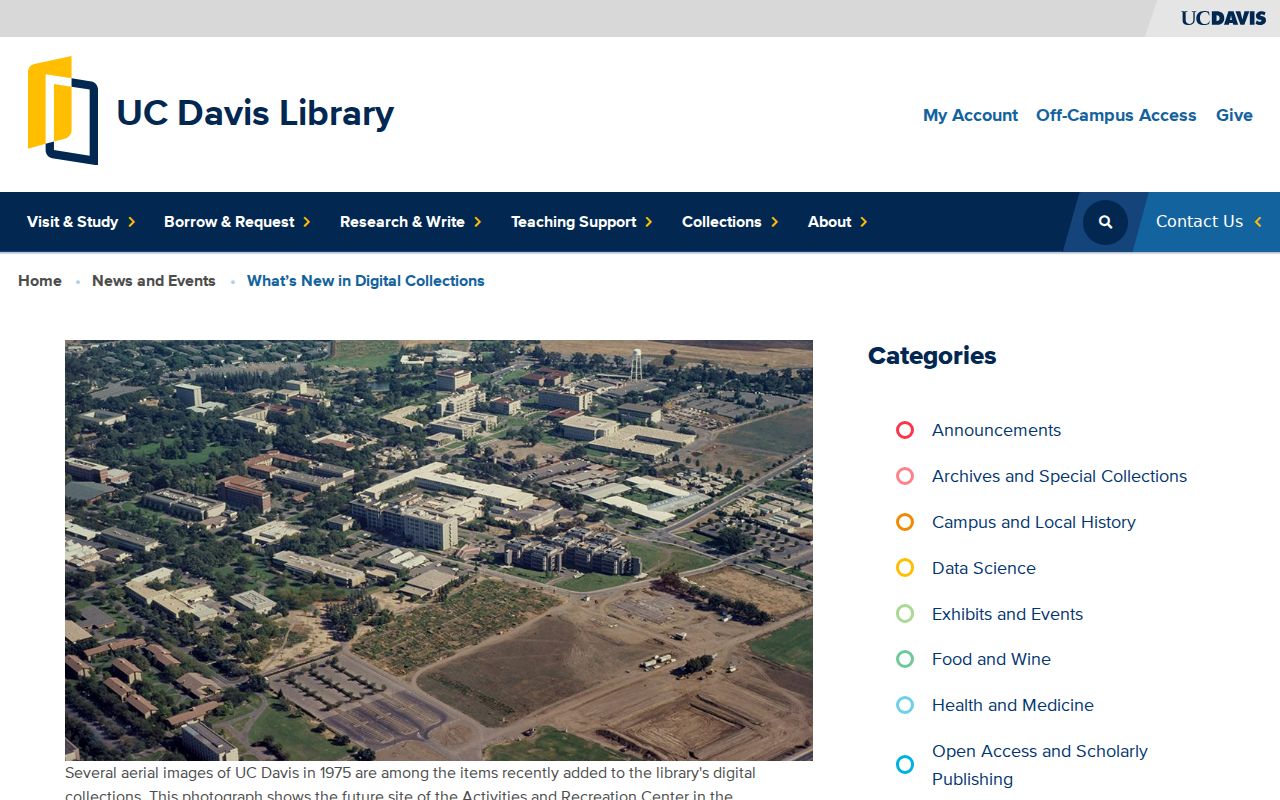
The digitization story is itself a local records milestone. It does not turn the volume into a current Fairfield residents directory, but it makes an early name and occupation clue far easier to compare with other sources. Page images beat indexes for that work. The digitized Kingsbury collection is the page-level route for inspecting the volume.
Use SCGS Beyond One Fairfield Directory
The Solano County Genealogical Society source page and its library catalog information are the strongest local routes for early and reverse-directory research. The shelves hold Fairfield-Suisun material. Later telephone books sit nearby. The collection also carries cemetery transcriptions, 1852 California Census material, an index to Solano County Archives court records, biographical articles, and local directories. The room opens Tuesday and Thursday. Normal hours run 10:00 a.m. to 1:00 p.m. Summer brings a closure, though appointments remain possible.
Solano History Database adds historical articles, photographs, publications, yearbooks, brochures, and pamphlets. The Solano County Historical Society keeps a research presence and lists an address, telephone, and email for contact. Together these collections explain why a person appears, disappears, changes an occupation, or moves between Fairfield and Suisun labels.
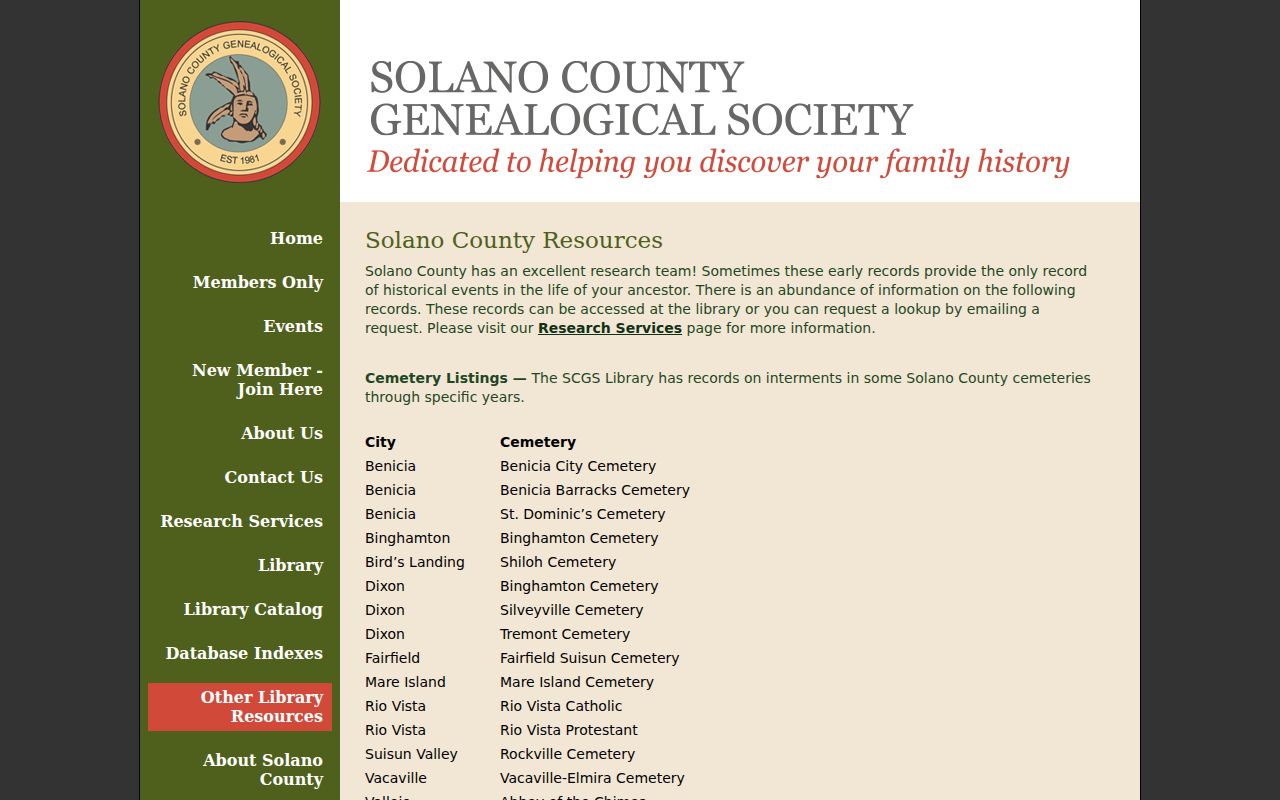
Some entries point to a volume, not a scan. The SCGS catalog route then serves as a separate check for a title, call number, or access path.
Record the page image, exact title, and collection spot. Attach them to the name. That citation keeps a later comparison possible even when a volume is temporarily unavailable.
Fairfield-Suisun City Directory Labels Cross
Fairfield and Suisun City appear side by side in many historical catalogs. The paired urban area shares newspapers, schools, cemeteries, station names, and regional directory titles. A family may show up under Suisun in a social or business source. A later deed, permit, or census record may name Fairfield. Treat the label as a discovery clue, not a parcel conclusion.
The county-seat story explains why regional titles matter so much here. Solano County was created in 1850. Fairfield became the county seat after Benicia, and the city incorporated in 1903. Early volumes often grouped people by county, district, post office, or business. They rarely used a modern street. Preserve the title's geography exactly as printed.
A historical entry that points to a parcel hands off to the street directory page. An entry that points to one person hands off to the resident lookup page. Between names and eras, the historical volume remains the bridge.
Read a Fairfield City Directory Entry
Entry format varies with the publisher and year. The accessible Kingsbury evidence supports a careful claim: an adult county entry can show a printed name, an occupation, and a post-office address. The Vallejo section carries richer directory context. Still, inspect the actual scan before assuming a spouse, house number, owner mark, telephone, or resident abbreviation appears in every Solano entry.
| Name | Printed person or household name; preserve spelling and initials. |
|---|---|
| Occupation | Work or role attached to the dated entry, useful for same-name households. |
| Post-office address | Mailing or community clue; do not silently convert it into a numbered residence. |
| Reverse address line | When a volume has one, it can connect an address to a name for that publication year. |
| Publisher key | Explains abbreviations, symbols, districts, and the book’s coverage limits. |
- Criss-cross directory
- An address or telephone-order section that reverses the name-first arrangement.
- Householder index
- A name or address list centered on a household head or principal subscriber.
- Abbreviation key
- The publisher’s explanation of short forms. Photograph or transcribe it before interpreting an entry.
Every city directory is a snapshot. It may reflect a publication date, a compilation date, or a subscription list rather than a precise move date. Occupation can separate two people who share a surname. A post-office label can explain why a Fairfield-area entry sits under a regional title.
Pair Fairfield City Directory Years With Census Years
The National Archives releases federal population schedules under a 72-year rule. In 2026 the 1950 census is the newest public schedule. The 1960 count is due in 2032. A 1904–05 directory therefore pairs naturally with the 1900 and 1910 censuses. Together they test a name, occupation, household relationship, and place. The printed directory sometimes gives only a post-office address. The census may still require enumeration-district work.
Think of the directory as the middle point between decennial snapshots. A person present in 1904 and 1910 was absent in 1900. That person likely arrived after the earlier enumeration. Someone who vanishes from one volume may have moved, died, or changed a surname. They may also have become unlisted or fallen outside that publisher's coverage. Check newspaper notices, obituaries, cemetery records, and probate. The next available volume helps too, before settling on an explanation.
Search both Fairfield and Suisun City in regional catalogs. The two labels often describe the same social and records geography. Yet they do not identify the same parcel or jurisdiction.
Trace Fairfield City Directory Families Across Years
A Fairfield city directory turns into a family-history tool. Each appearance is treated as a dated observation. Record the volume title, publisher, year, page, printed spelling, occupation, address clue, and any abbreviation. Then compare the next available issue instead of assuming publication was annual. Any trail can break. A move, death, marriage, military transfer, unlisted telephone, or missing volume will do it.
- Find the first appearance in a verified year and transcribe the entry exactly.
- Search forward through the next available Fairfield, Fairfield-Suisun, or Solano title, recording occupation and place changes.
- Turn to a reverse or criss-cross section when the volume supplies one, and test the address against nearby names.
- Pair the directory with the 1900, 1910, or later public census schedule to check household members and timing.
- Close a missing-person question with newspapers, obituaries, cemetery material, probate, deeds, or a later directory rather than a guess.
Solano's record history frames the search. The county was created in 1850, Fairfield became the county seat after Benicia, and the city incorporated in 1903. The 1942 air base and the 1966 Travis annexation can change how a household is labeled. A regional city directory may capture the social presence, while a deed or GIS record establishes the land.
When the goal shifts from a historical collection to one modern person, the Fairfield resident lookup page supplies the court, vital-record, license, and identity-check layer. The city directory remains the historical shelf. It is not a current resident register.
For a gap between volumes, the Solano History Database can add articles, photographs, publications, yearbooks, brochures, and pamphlets. Newspapers may explain a move or death. Cemetery transcriptions can connect a surname to a place. Use these companion records to explain a directory change, but keep the original directory citation beside the interpretation.